


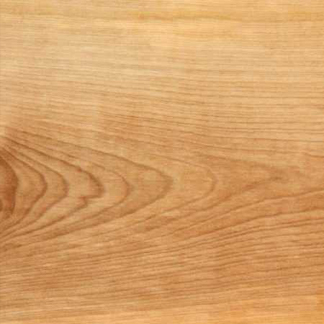
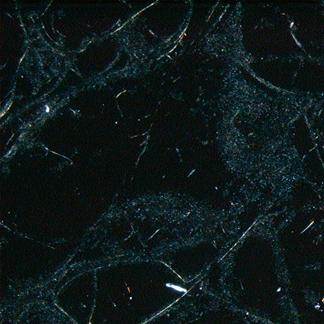
DM. Proyecto para una serie de esculturas. 2014…
Desde los años 60 la utilización de materiales industriales o de factura mecanizada ha eliminado en gran parte de la producción escultórica la huella del artista, borrando también al mismo tiempo los procesos de manufactura de la propia obra.
Actualmente gracias al avance propiciado por la nuevas tecnologías, las nuevas máquinas están inundando el mercado de espectaculares productos de consumo, con la consiguiente banalización extrema de cierta producción artística -o no- orientada a ferias de arte, tiendas de lujo y redes sociales; formas, colores y texturas imposibles, extravagantes y vacías. La escultura paradójicamente se ha vuelto plana.
Ahora todo tiene que ser brillante, vibrante y asimilable en una fracción de segundo. Una aceleración que lleva consigo la perdida de una mirada atenta, que se recrea en los detalles, en la naturaleza de los objetos, en su materialidad, en lo que éstos y su hacer nos dicen.
Tal y como comenta Bea Espejo esta tiranía de la nuevo y de la perfección, que invade todas las areas de nuestra vida, ha generado y alentado también el resurgir de lo artesanal y la revalorización de esos lenguajes y haceres marginales, que han tenido tradicionalmente difícil encaje en las narrativas contemporáneas, salvo contados casos. Se trata de trabajos en ocasiones inclasificables que están siendo revisados y actualizados, sumando nuevas lecturas a esas que tradicionalmente, y de una manera sesgada y peyorativa, se han relacionado con lo anticuado, lo doméstico, lo femenino, lo devil e imperfecto. “En un momento de inquietud colectiva, el trabajo manual proporciona un ancla firme. Es minucioso, regular y preciso. Nos da algo en lo que creer. Lo complicado convertido en posibilidad. Un campo mental conocido y un tiempo pausado, consciente y genuino alejado de la habitual ansiedad de la vida contemporánea”.
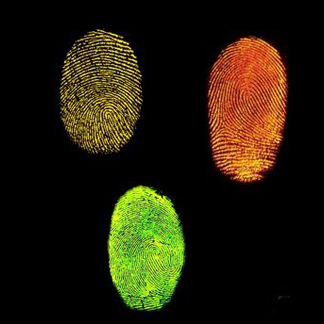
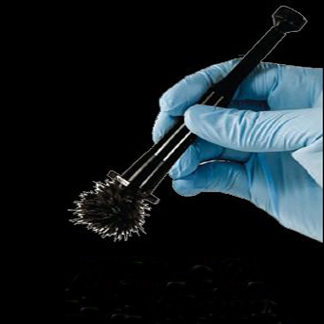
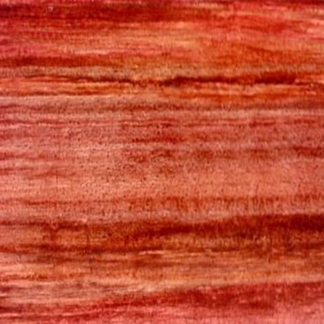
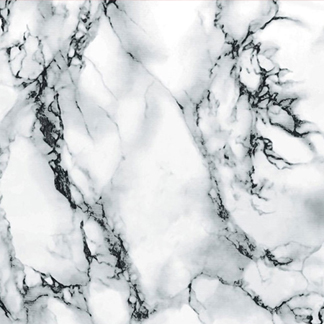
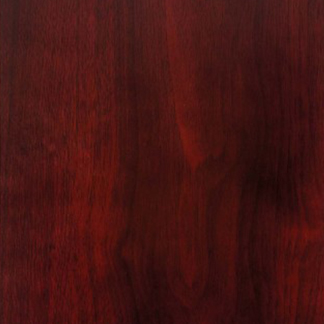
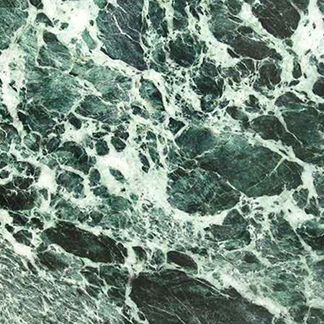
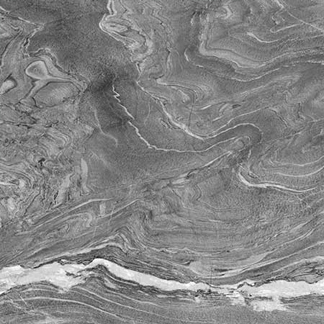
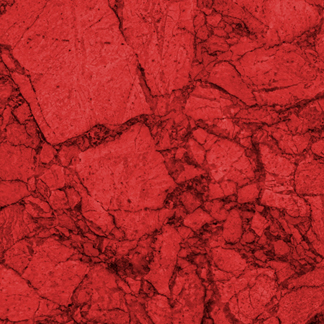
Sin abandonar esa pulcritud asociada al minimalismo, y a esos materiales aparentemente neutros, DM es una investigación formal, con cierto grado de ironía, sobre los rastros humanos de todos los agentes -invisibles pero imprescindibles- involucrados en la producción y exhibición de una obra de arte. Lo artesanal y lo mecánico y desnaturalizado se dan la mano en un conjunto de híbridos entre escultura, dibujo y pintura. Elaborados con materiales nobles, a sus superficies y formas pulidas a mano se les añade un último proceso. Una vez instalada la obra se aplica con una brocha polvo de revelado de huellas sobre toda su superficie. Una acción como cierre de todo un ciclo procesual, pero que a su vez abre el de nuevos reenplazamientos futuros, que irán unidos al devenir de la pieza en concreto y a su transformación.